Divorce attorney near me is not just a search query; it’s a crucial step towards navigating the often turbulent waters of separation. Finding a local attorney can significantly impact your experience and outcome, offering you tailored support and expertise. In this guide, we’ll explore the essential roles and services these professionals provide to ensure that your divorce process is as seamless as possible.
From understanding the importance of hiring a specialized attorney to exploring local resources for finding the right match, this discussion will equip you with the knowledge you need. Whether you are facing child custody issues or property division, knowing what to look for in a divorce attorney can make all the difference in achieving a favorable resolution.





Importance of Hiring a Divorce Attorney
Divorce can be an emotionally and legally complex process, making it crucial to have the right support and guidance. Hiring a divorce attorney can significantly influence the experience and outcome of your separation, ensuring that your rights and interests are protected throughout. A skilled attorney not only helps navigate the intricacies of legal proceedings but also provides the necessary advocacy during a challenging time.The role of a divorce attorney in the legal process encompasses a wide range of responsibilities.
They provide legal advice tailored to your specific situation, assist in the preparation and filing of necessary documents, and represent you in court if needed. An attorney is trained to handle various aspects of divorce, including asset division, child custody agreements, and spousal support, ensuring that you are aware of your rights and options at every step.
Benefits of Hiring a Local Attorney
Opting for a local divorce attorney can yield several advantages over hiring someone from a distant location. Here’s why local expertise matters:
- Familiarity with Local Laws: Divorce laws can vary significantly from one state or region to another. A local attorney is well-versed in the specific laws and regulations governing divorce in your area, which can directly influence the outcomes of your case.
- Accessibility: Being able to meet face-to-face with your attorney can facilitate better communication and a stronger attorney-client relationship. Local attorneys are more likely to be available for meetings and provide timely responses to your queries.
- Knowledge of Local Court Procedures: Local attorneys understand the procedures specific to local courts, including filing requirements, deadlines, and the preferences of judges. This knowledge can be invaluable in speeding up the process and enhancing your chances of a favorable outcome.
Impact of an Attorney on Divorce Settlements
The presence of an attorney can significantly influence the settlement process during a divorce. Having professional representation can lead to more favorable outcomes for several reasons:
- Negotiation Skills: Experienced divorce attorneys possess strong negotiation skills, which can help in reaching settlements that are satisfactory for both parties. They can advocate for your interests while also facilitating amicable resolutions.
- Strategic Planning: An attorney can develop a strategic approach tailored to your unique situation, which can help in identifying the most critical issues and prioritizing them during negotiations.
- Reducing Emotional Burden: By handling the legal complexities, an attorney allows you to focus on your emotional well-being, which can often lead to clearer decision-making during negotiations.
“Having a competent divorce attorney can make a significant difference in the financial and emotional toll of the divorce process.”
Factors to Consider When Choosing a Divorce Attorney
Finding the right divorce attorney can be a pivotal step in navigating the complexities of divorce proceedings. The attorney you choose will not only represent you legally but will also influence the emotional and financial outcomes of your case. Selecting an attorney who aligns with your needs is essential for ensuring a smoother process and better results.When choosing a divorce attorney, several key factors must be evaluated to ensure that the decision is well-informed.
From qualifications to personal recommendations, each aspect plays a significant role in finding the right match for your situation. Understanding these factors can help you make a choice that alleviates stress and promotes a favorable resolution.
Key Qualifications to Look For in a Divorce Attorney
It’s essential to assess the qualifications of a divorce attorney to ensure that they possess the necessary skills and experience. Here are some critical qualifications to consider:
- Specialization in Family Law: Choose an attorney who specializes in family law and has a solid grasp of divorce issues.
- Experience: An experienced attorney will have a thorough understanding of the legal landscape, which can help avoid potential pitfalls.
- Track Record: Look for an attorney with a history of successfully handling cases similar to yours.
- Licensing and Credentials: Ensure the attorney is licensed to practice in your state and has no disciplinary actions against them.
- Negotiation Skills: Strong negotiation abilities are vital, especially if your case involves settlements.
Personal Recommendations and Online Reviews
When selecting a divorce attorney, personal recommendations and online reviews can serve as valuable resources. Each source has its advantages and can help inform your decision effectively. Personal recommendations often come from friends, family, or colleagues who have experienced similar situations. Their firsthand accounts can provide insights into an attorney’s working style, reliability, and professionalism. On the other hand, online reviews offer a broader perspective, reflecting experiences from various clients.
A combination of both sources can provide a well-rounded view. Important factors to consider when assessing these reviews include:
- Overall Ratings: Pay attention to the average ratings and read through detailed reviews.
- Specific Experiences: Look for comments on communication, responsiveness, and case outcomes.
Importance of Compatibility and Communication with an Attorney
Compatibility and effective communication are crucial elements when working with a divorce attorney. A positive attorney-client relationship can significantly impact the overall experience and success of your case. When evaluating compatibility, consider the following aspects:
- Understanding Your Goals: Your attorney should be keenly aware of your objectives and priorities throughout the divorce process.
- Communication Style: Ensure that the attorney’s communication style aligns with your preferences. They should be approachable and willing to answer your questions.
- Empathy and Support: An attorney who demonstrates empathy can make a challenging time more manageable by providing emotional support.
In summary, choosing the right divorce attorney involves careful consideration of their qualifications, a balance of personal and online recommendations, and ensuring compatibility in communication. By focusing on these factors, you can find an attorney who will advocate effectively for your interests during the divorce process.
Services Offered by Divorce Attorneys
Divorce attorneys provide a range of essential services that help individuals navigate the complexities of marital dissolution. Their expertise is crucial in ensuring that the rights and interests of their clients are represented and protected throughout the divorce process. These services are designed to address various aspects of divorce, from child custody to property division.Divorce attorneys typically offer a variety of services to support their clients during one of the most challenging times in their lives.
Below are some of the common services that clients can expect:
- Legal consultation and advice on divorce proceedings
- Preparation and filing of divorce petitions and related documents
- Representation in court hearings and negotiations
- Assistance with child custody and visitation arrangements
- Guidance on child support calculations and agreements
- Help in dividing marital assets and debts
- Negotiation of spousal support or alimony
- Mediation services to resolve disputes amicably
- Post-divorce modifications and enforcement of agreements
Child Custody and Support Issues
Child custody and support are often among the most sensitive and contentious issues during a divorce. Divorce attorneys play a vital role in advocating for the best interests of the children involved. They help ensure that custody arrangements are fair and that the non-custodial parent meets their financial obligations through child support.In custody cases, attorneys assist in determining whether joint or sole custody arrangements are appropriate based on the needs and welfare of the child.
They gather evidence, including parental fitness, living conditions, and the child’s preferences, to present a compelling case. Additionally, child support calculations take into account various factors, including the income of both parents, the child’s needs, and state guidelines. Attorneys use this information to negotiate fair support amounts that are sustainable for the paying parent while adequately meeting the child’s expenses.
Property Division and Asset Management
The division of marital property and assets during a divorce can be complex, often requiring thorough evaluation and negotiation. Divorce attorneys guide their clients through this process, ensuring that all assets and debts are accounted for and divided equitably.The first step typically involves identifying all marital assets, which can include real estate, bank accounts, retirement funds, and personal property. Attorneys help clients understand the difference between marital and separate property to ensure that only eligible assets are divided.
Once assets are identified, attorneys work on determining their value. This often includes hiring appraisers or financial experts to assess property values accurately. During negotiations, attorneys advocate for their clients’ interests, whether that means pursuing a greater share of assets or agreeing on a fair division that meets both parties’ needs. In some cases, disputes may arise over specific assets, and attorneys can represent their clients in mediation or court to resolve these matters.
Overall, the expertise of divorce attorneys in managing child custody, support issues, and property division is crucial for helping individuals achieve a fair and just outcome in their divorce proceedings.
Local Resources for Finding a Divorce Attorney
Finding the right divorce attorney can be a crucial step in navigating the complexities of divorce proceedings. Local resources can provide valuable support in your search. By utilizing directories, bar associations, and online platforms, you can compare options and find the legal assistance that fits your needs.
Local Directories and Bar Associations for Attorney Referrals
Several local directories and bar associations serve as excellent starting points for finding qualified divorce attorneys. These resources often provide detailed listings, including attorney specializations, contact information, and sometimes even client reviews. Here are some noteworthy options:
- State Bar Association: Each state has a bar association that offers a lawyer referral service, connecting you with attorneys based on your specific needs and location.
- Local Bar Association: Similar to state associations, local bar associations may provide a directory of attorneys practicing in your area, often with a focus on family law.
- LegalMatch: This online service allows you to submit your legal issue and receive responses from local attorneys who specialize in divorce.
Using Online Platforms for Finding and Comparing Divorce Attorneys
Online platforms have become invaluable tools for comparing divorce attorneys. They allow potential clients to evaluate various options based on several factors such as experience, areas of expertise, and client reviews. Utilizing these platforms can streamline the decision-making process. Here are some popular platforms worth exploring:
- Avvo: This site provides ratings, reviews, and detailed profiles for attorneys, enabling you to make informed choices.
- FindLaw: As a comprehensive legal resource, FindLaw offers a directory to search for divorce attorneys by location and specialization.
- Lawyers.com: This platform allows users to filter attorneys based on their specific needs and provides insights into qualifications and client feedback.
Significance of Using Local Legal Aid Services
For those facing financial constraints, local legal aid services can be a significant resource. These organizations offer free or low-cost legal assistance, ensuring that everyone has access to legal representation, regardless of their financial situation. Utilizing these services can help alleviate the burden of legal fees during a challenging time.
- Eligibility Screening: Most legal aid services provide an eligibility screening process to determine if you qualify for assistance based on your income and assets.
- Family Law Clinics: Many legal aid organizations host clinics where individuals can receive brief consultations or workshops on navigating divorce proceedings.
- Pro Bono Programs: Some local attorneys participate in pro bono programs, offering their services for free to those who cannot afford legal representation.
Initial Consultation with a Divorce Attorney
The initial consultation with a divorce attorney sets the tone for the legal process ahead. This meeting is a crucial opportunity for potential clients to understand the attorney’s approach and to gather essential information about their situation. It’s important to come prepared, as this will help you make the most out of this first encounter.During your first meeting with a divorce attorney, you can expect a comprehensive discussion covering various aspects of your case.
The attorney will likely start by asking questions about your marriage, the reasons for the divorce, and any children involved. This information helps them understand your situation better and provide tailored legal advice. You will also discuss your expectations regarding asset division, custody arrangements, and support obligations.
Preparation for the Consultation
Preparing for your consultation is key to ensuring a productive meeting. Having the right documents and questions ready can streamline the process and provide clarity on important issues. Essential documents to prepare include:
- Marriage certificate and any previous divorce decrees.
- Financial statements, including bank account information, income details, and tax returns.
- Documentation of assets such as property deeds, vehicle titles, and retirement accounts.
- Information regarding debts, including mortgages, credit cards, and personal loans.
- Any relevant communications, such as emails or messages that may pertain to the divorce.
Questions to consider asking your attorney might involve:
- What is your experience with divorce cases similar to mine?
- What will the process look like, and how long might it take?
- What are the possible outcomes I can expect?
- How will you communicate with me and keep me updated on my case?
Discussion of Fees and Payment Structures
Addressing fees and payment structures upfront is vital to avoid any surprises later. During the consultation, you should inquire about the attorney’s fee structure—whether they charge a flat fee, hourly rate, or retainer. Understanding these details will help you plan your budget effectively throughout the process.It’s also beneficial to discuss any potential additional costs that may arise, such as court fees, mediation costs, or expenses for expert witnesses.
A transparent conversation regarding fees can help you establish a clear understanding of what to expect financially and ensure that you are comfortable with the arrangement moving forward.
“Understanding your attorney’s fees and the payment structure is crucial to managing your financial expectations during a divorce.”
Cost of Hiring a Divorce Attorney
When navigating the complexities of divorce, understanding the financial implications of hiring a divorce attorney is crucial. Legal fees can vary significantly based on several factors including geographical location, the attorney’s experience, and the specifics of the divorce case. This section aims to provide clarity on the average costs associated with hiring a divorce attorney, the factors that influence these costs, and tips for managing expenses throughout the divorce process.
Average Fees of Divorce Attorneys by Region
The cost of hiring a divorce attorney can greatly differ depending on the region. Below is a comparison table that Artikels the average fees in various areas:
| Region | Average Hourly Rate | Retainer Fee (Approx.) |
|---|---|---|
| New York City | $300 – $500 | $5,000 – $10,000 |
| Los Angeles | $250 – $450 | $4,000 – $8,000 |
| Chicago | $200 – $400 | $3,500 – $7,500 |
| Miami | $150 – $350 | $2,500 – $5,000 |
| Houston | $150 – $300 | $2,000 – $4,000 |
Understanding these averages can help individuals budget appropriately for legal fees during their divorce proceedings.
Factors Influencing the Cost of Hiring an Attorney
Several factors contribute to the overall costs associated with hiring a divorce attorney. Recognizing these can assist in making informed decisions during the process.
- Attorney’s Experience: More experienced attorneys typically charge higher fees due to their expertise and success rate.
- Case Complexity: Complicated cases involving child custody, asset division, or disputes may incur higher costs due to extended hours needed for resolution.
- Geographic Location: Legal service costs can vary significantly from one region to another, often reflecting the cost of living in that area.
- Billing Structure: Attorneys may charge hourly rates, flat fees, or retainer fees, which can impact overall costs.
- Conflict Resolution Methods: Mediation or collaborative divorce options might reduce costs compared to traditional litigation.
These factors highlight the importance of thoroughly discussing fee structures and potential costs with an attorney before proceeding.
Strategies for Managing Legal Expenses
Managing legal expenses during a divorce can alleviate financial stress. Here are some strategies to consider:
- Clear Communication: Maintain open lines of communication with your attorney to ensure clarity regarding billing practices and expected costs.
- Organize Documentation: Providing all necessary documents upfront can save time and ultimately reduce costs.
- Limit Emotional Discussions: Focus on essential legal matters during meetings to avoid prolonging discussions and increasing hourly fees.
- Consider Mediation: Explore mediation as an alternative to litigation, which can be less expensive and less adversarial.
- Set a Budget: Artikel a clear budget for legal expenses and stick to it, adjusting as necessary to avoid unexpected financial burdens.
Implementing these strategies can lead to a more manageable financial experience during a challenging time.
Common Misconceptions About Divorce Attorneys
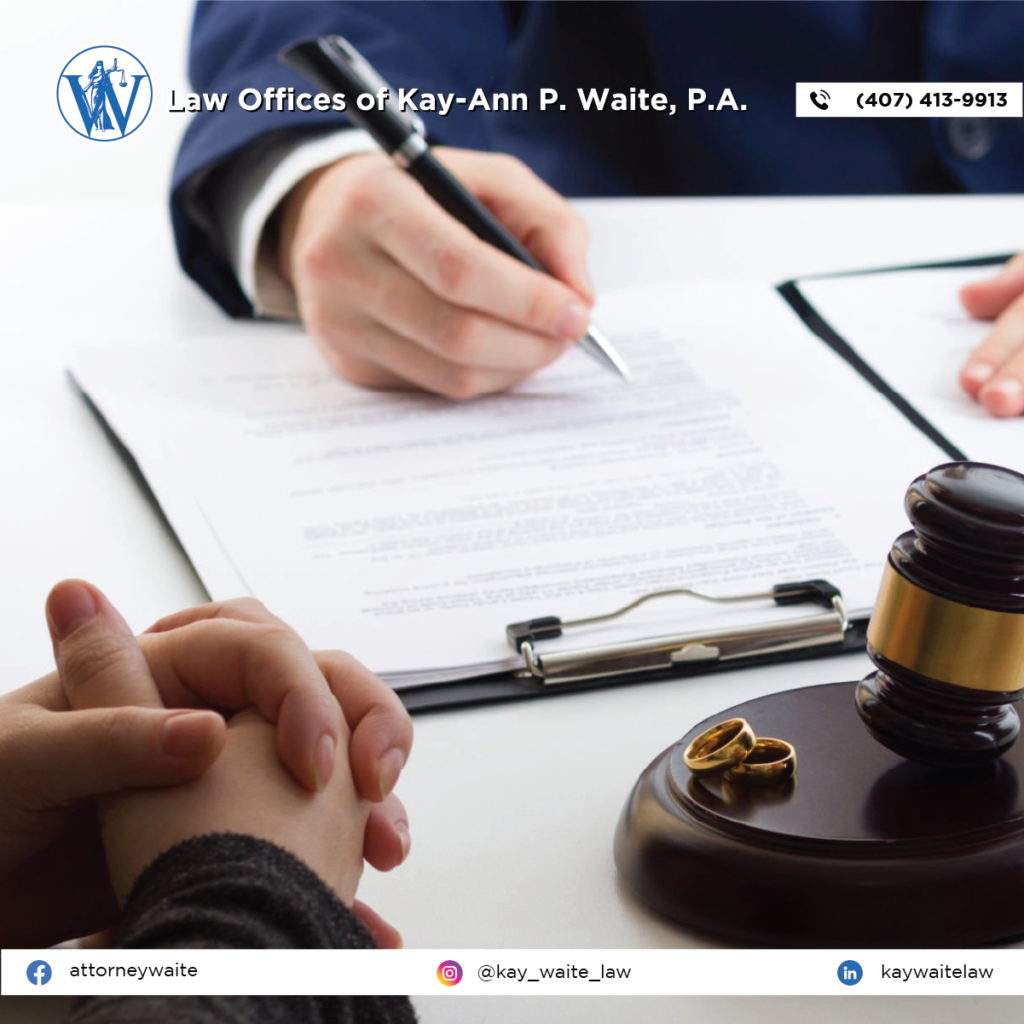
Divorce attorneys play a crucial role in navigating the complexities of marital dissolution. However, several misconceptions persist that may lead individuals to misunderstand their value and function. Clarifying these myths can help potential clients make informed decisions about when and how to seek legal assistance.One of the most pervasive myths is that all divorce attorneys are prohibitively expensive. While legal services can be costly, the fees vary widely depending on the attorney’s experience, reputation, and the case’s complexity.
Understanding that there are attorneys who offer competitive rates can alleviate the fear of high costs and encourage individuals to seek help. Many attorneys provide initial consultations at little to no cost, allowing clients to gauge affordability and suitability without financial pressure.
Misconceptions About Attorney Influence on Divorce Outcomes
There are several common beliefs regarding how divorce attorneys can influence the outcomes of divorce proceedings that are not entirely accurate. It is essential to recognize these misconceptions for a better understanding of what to expect from legal representation.
-
Attorneys can guarantee a favorable outcome.
While a skilled attorney can significantly impact the proceedings, they cannot promise specific results due to the unpredictable nature of court decisions and negotiations.
-
Hiring an attorney will automatically lead to a contentious battle.
Many attorneys focus on mediation and amicable resolutions, prioritizing the well-being of children and maintaining respect between parties.
-
Only wealthy individuals need divorce attorneys.
Divorce attorneys cater to a range of clients, and many work on a sliding scale or offer payment plans to make their services accessible.
-
Attorneys create more conflict.
A good attorney aims to resolve disputes efficiently and effectively, helping clients navigate emotional challenges without escalating tensions.
Understanding these misconceptions allows individuals to approach their divorce with a clearer perspective and better prepares them for the realities of the legal process.
Steps to Take After Hiring a Divorce Attorney
Hiring a divorce attorney is a significant step towards resolving your marital issues. Once you’ve secured legal representation, it’s essential to follow a structured approach to ensure a smooth process. This guide will walk you through the necessary steps to take after hiring your attorney, focusing on gathering important documents, maintaining communication, and keeping track of your case’s progress.
Gathering Necessary Documents
Collecting the right documents is crucial for any divorce proceeding. Your attorney will need comprehensive information to advocate effectively on your behalf. Here are some essential documents to gather:
- Marriage certificate and any previous divorce decrees.
- Financial statements including bank statements, tax returns, and pay stubs.
- Property deeds, vehicle titles, and mortgage documents.
- Records of debts such as credit card statements and loan agreements.
- Any legal documents related to child custody or support, if applicable.
Having these documents organized will facilitate discussions with your attorney and streamline the legal process.
Maintaining Communication with Your Attorney
Effective communication is key to a successful attorney-client relationship. Regular updates and discussions about your case can prevent misunderstandings and ensure that your attorney has the latest information. Here are a few tips for maintaining communication:
- Schedule regular check-ins, whether through email or in-person meetings.
- Provide timely responses to your attorney’s inquiries or requests for information.
- Keep a record of all communications for reference.
- Be open about any concerns or changes in your situation that may affect your case.
Consistent communication helps your attorney to stay informed and prepared to handle your case effectively.
Tracking the Progress of Your Case
Understanding the timeline and tracking the progress of your divorce case is vital for managing expectations. Being proactive can ensure that you remain informed about key developments. To effectively track your case, consider the following methods:
- Request a timeline of your case from your attorney, outlining major milestones.
- Stay updated on court dates and hearings by maintaining a shared calendar with your attorney.
- Inquire about the status of each phase, such as mediation, discovery, or trial preparation.
- Utilize any client portals your attorney may offer for real-time updates and document access.
Staying engaged in the process will empower you and help alleviate any uncertainty during this challenging time.
“Communication and organization are the cornerstones of a successful divorce process.”

Hi, I’m Lauren. As a digital enthusiast and storyteller, I love breaking down complex ideas into easy-to-read articles. My goal is to provide readers with fresh perspectives and helpful solutions through every piece I write.